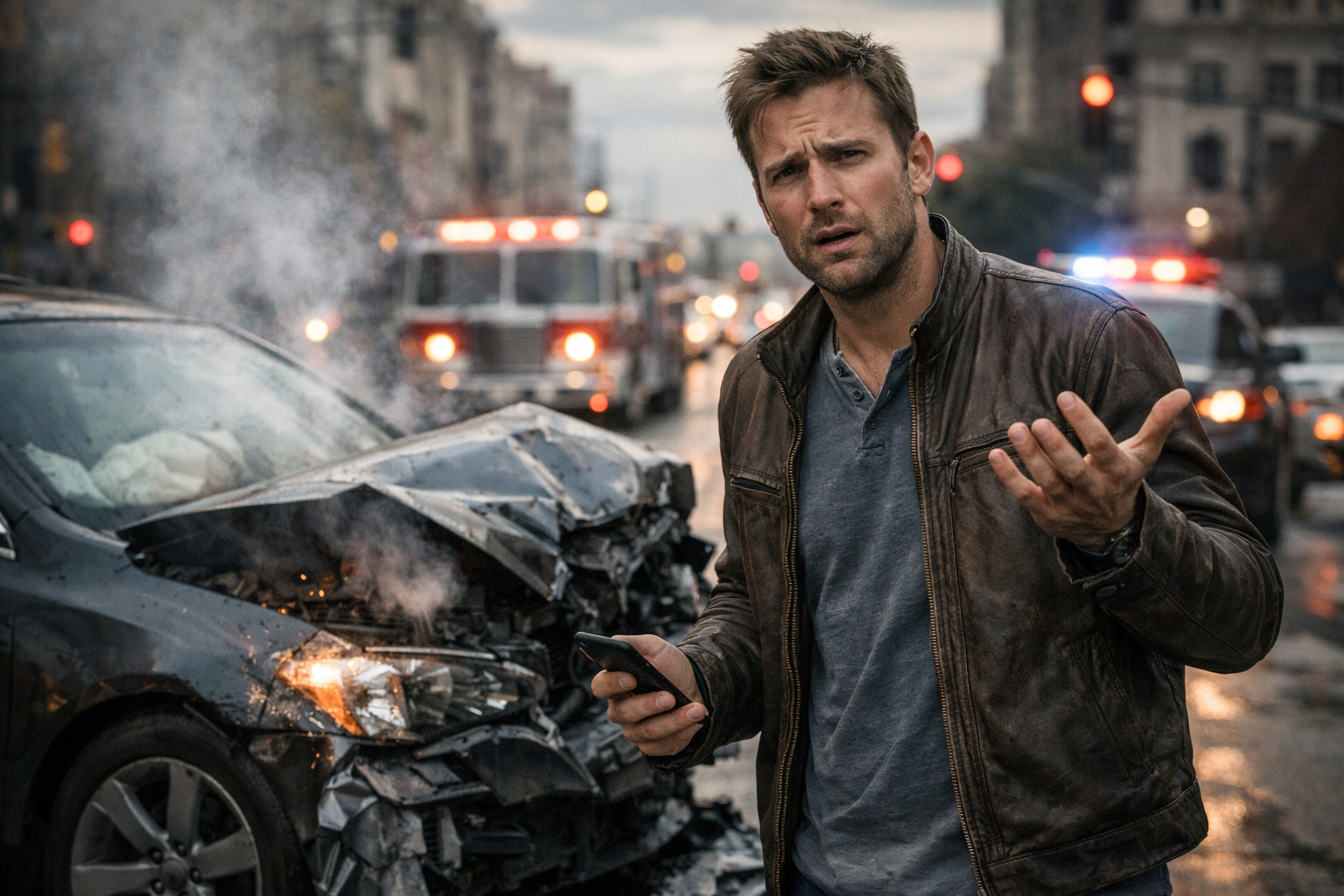
That sudden jolt, the crunch of metal, the rush of adrenaline—even a minor fender-bender can leave your heart pounding and your hands shaking. In that moment, chaos takes over. But what you do in the minutes and hours after a minor car accident in the USA can make all the difference, turning a stressful surprise into a manageable situation.
Take a deep breath. You’ve got this. Here’s a clear, friendly guide to navigating the aftermath, protecting yourself, and ensuring things get sorted smoothly.
Step 1: Safety First – Secure the Scene
Your immediate reaction might be to panic or get upset. Pause. Your number one job is safety.
· Move vehicles out of traffic, if possible. If the cars are drivable and the accident is minor, carefully move to the shoulder, a parking lot, or a side street. This prevents secondary collisions and keeps traffic flowing.
· Turn on your hazard lights. This alerts other drivers to slow down and proceed with caution.
· Check for injuries. Ask everyone in your vehicle and the other car(s) if they are okay. Even if you feel fine, adrenaline can mask pain. When in doubt, it’s wise to seek medical attention later.
Step 2: Contact the Authorities – When to Call 911
For any accident, it’s generally recommended to call the police.
· Call 911 if there are any injuries, significant damage, or if the other driver is uncooperative, seems impaired, or flees the scene.
· For very minor incidents with no disputes, police may not come to the scene, but you should still file an official report at the local precinct or online (rules vary by state). Why? A police report provides an unbiased third-party account, which is invaluable when dealing with insurance companies.
Step 3: The Exchange – Gather Information Calmly
This is the crucial paperwork moment. Stay polite and focused. You’ll want to collect:
· Driver and passenger names and contact information.
· Insurance details: Company name, policy number, and the policyholder’s name.
· Vehicle information: Make, model, color, and license plate number.
· The officer’s details, if police respond: Name, badge number, and report number.
· Location and time of the accident.
Pro-Tip: Use your smartphone to take clear pictures of:
* All vehicles involved, showing license plates.
* The damage from multiple angles.
* The overall scene (skid marks, street signs, traffic lights).
* The other driver’s insurance card and license (with permission).
Step 4: The Conversation – Keep It Simple and Factual
This is important: Be courteous, but do not admit fault or say “I’m sorry” at the scene. You don’t yet have all the facts. Simply stick to the objective exchange of information. Statements like “It all happened so fast, let’s make sure everyone is safe and get the details for our insurance companies” are perfect.
Avoid arguing about who caused it. That’s for the insurance adjusters and the police report to determine based on evidence.
Step 5: Notify and Navigate – The Insurance Process
· Notify your insurance company promptly, even if the accident seems small and even if you don’t plan to file a claim. They need to know about the incident. Most policies require timely reporting.
· File a claim. Your agent will guide you through the process. Provide them with all the information and photos you collected.
· Seek medical attention if needed. Sometimes, whiplash or other soft-tissue injuries appear hours or days later. Get checked out to protect your health and have a medical record if injuries are related to the accident.
The Emotional Aftermath: Be Kind to Yourself
A minor accident can leave you feeling rattled for days. It’s normal to feel anxious driving or replay the event in your head. Talk about it, take some slow breaths when you get behind the wheel again, and remember—you handled it. You followed the steps, you were responsible, and you got through a stressful situation.
Your Post-Accident Checklist:
· Ensure everyone’s safe
· Move vehicles to a safe location
· Call police (if needed)
· Exchange information & take photos
· Notify your insurance company
· File a police report (if required)
· Seek medical attention for any injuries
By knowing what to do, you take back control. You transform a moment of shock into a series of manageable steps, protecting both your well-being and your wallet. Drive safely out there