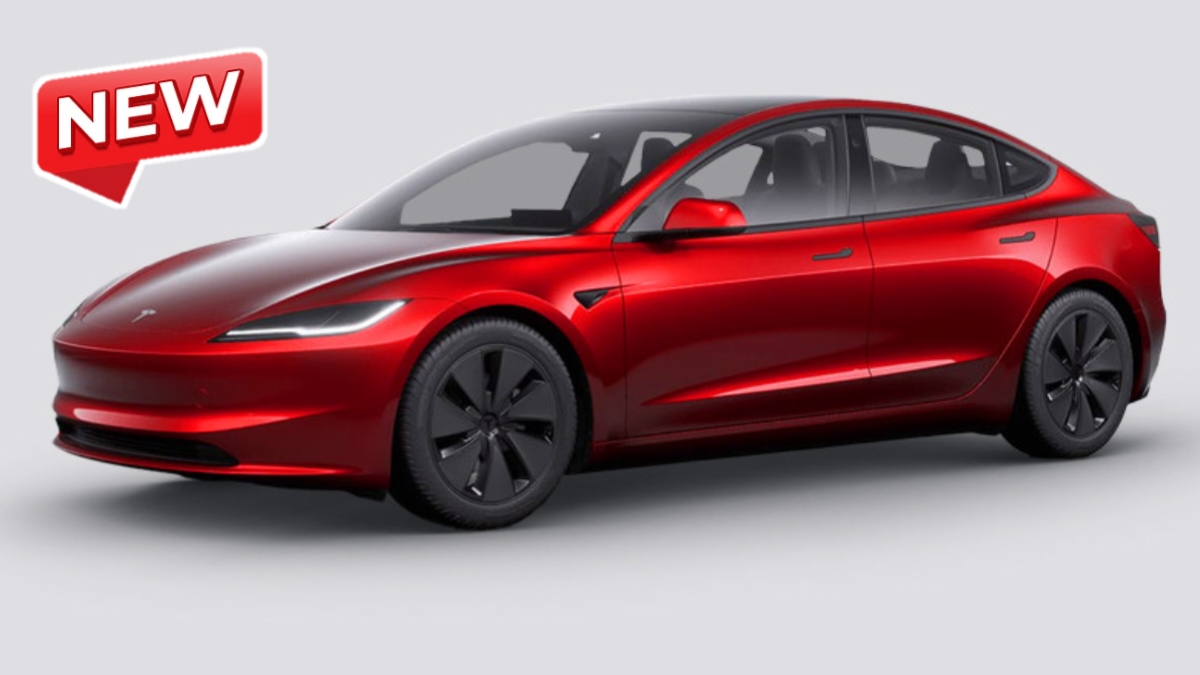
For over a decade, the name “Tesla” has been synonymous with electric vehicles. The Model 3 sedan and Model Y SUV became the EVs that defined a generation, pushing the entire auto industry toward an electric future. But as we move through the mid-2020s, a profound shift is underway. 2026 isn’t just another model year for Tesla; it’s shaping up to be the pivotal year the company evolves from a brilliant carmaker into something far more ambitious: a diversified technology and artificial intelligence powerhouse.
Let’s pull back the curtain on what makes 2026 a potential inflection point for Elon Musk’s empire.
The Roadmap: More Than Just New Sheet Metal
While competitors play catch-up on battery range, Tesla’s 2026 strategy focuses on layers of innovation that build on each other.
1. The Dawn of the “Robotaxi” Ecosystem
The most anticipated,and debated, milestone is the planned launch of Tesla’s dedicated Robotaxi. Built on a revolutionary new vehicle platform promised to be smaller and cheaper to manufacture, this isn’t just a concept car. It’s intended to be the backbone of a global autonomous ride-hailing network. Imagine opening the Tesla app, summoning a driverless vehicle, and paying for a trip—with Tesla taking a significant cut of every fare. This move could unlock a recurring revenue stream that dwarfs traditional car sales.
2. Full Self-Driving (FSD): The “Dojo” Supercomputer Effect
The success of everything depends on Tesla’s Full Self-Driving software achieving true,regulatory-approved autonomy. This is where Tesla’s secret weapon, the Dojo supercomputer, comes in. By 2026, Dojo is expected to be processing oceans of real-world video data at an unprecedented scale, training neural networks faster than any system before it. The goal? To close the gap from advanced driver-assist to genuine “Level 4” autonomy, where the car handles all driving in most conditions. Every mile driven by a Tesla today is potentially fuel for this AI engine tomorrow.
3. The “Next-Gen” Platform: Your $25,000 Tesla?**
Whispers of an affordable,compact Tesla have swirled for years. 2026 could be the year they become a reality. Codenamed “Redwood,” this next-generation platform leverages massive innovations in manufacturing, like the **Giga Press** that casts entire car underbodies in one piece. The target: a starting price around **$25,000. This isn’t just about being affordable; it’s about volume. Mass adoption of these vehicles would exponentially increase Tesla’s data-generating fleet and put its technology in the hands of millions more.
4. Energy & Storage: The Quiet Juggernaut
While the cars grab headlines,Tesla’s Megapack business is quietly becoming a financial powerhouse. These utility-scale battery storage systems are crucial for stabilizing grids powered by renewable energy. With soaring global demand, Tesla’s energy storage deployments are growing over 100% year-over-year. By 2026, this division could contribute a massive, stable portion of the company’s profits, making Tesla a leader in the global energy transition.
The Challenges on the 2026 Horizon
This transformation won’t be without speed bumps.
· Regulatory Hurdles: Governments worldwide will need to develop frameworks for truly driverless cars. Approval timelines are uncertain.
· Technical Perfection: Achieving and proving the absolute safety of FSD is a monumental challenge that must satisfy both regulators and public perception.
· Unprecedented Competition: Every major automaker now has compelling EVs, and specialized AI companies are racing toward autonomy. Tesla’s first-mover advantage is being tested.
The Bottom Line: A Reimagined Company
So, what does Tesla look like in 2026? It’s likely a company with three robust, interconnected pillars:
1. Automotive: Selling high-margin premium EVs and high-volume affordable EVs.
2. AI & Services: Generating revenue from software subscriptions (FSD), Robotaxi networks, and insurance.
3. Energy: A leading supplier of battery storage and solar solutions.
In essence, 2026 could be the year we stop asking
“How many cars did Tesla sell?” and start asking “How much revenue did its network generate?” or “How many gigawatt-hours of energy did it store?”
The journey from innovative car company to integrated sustainable energy and AI leader reaches a critical juncture in 2026. The stakes are high, the ambitions are galactic, and the world will be watching to see if Tesla can successfully make the leap. One thing is certain: the road ahead is anything but boring.